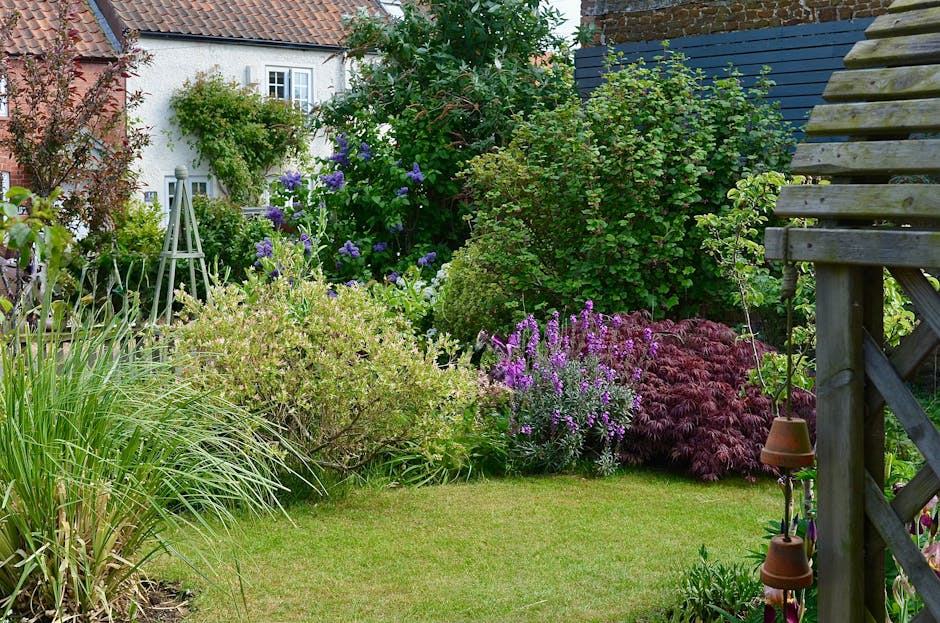
IG6 guide to trusted gardeners for compact Hainault gardens

If you live in or around IG6, you probably know the feeling: the garden looks promising from the kitchen window, but once you step outside, it is tight, awkward, and full of little jobs that never quite get done. That is exactly where this IG6 guide to trusted gardeners for compact Hainault gardens comes in. Small gardens can be wonderfully rewarding, but they also need a different kind of care. Not more care, necessarily. Just smarter care.
In compact Hainault gardens, every square metre matters. A tidy lawn edge, a well-trimmed hedge, or the right planting choice can make the whole space feel calmer and bigger. The challenge is finding gardeners who understand that balance: practical, careful, and honest about what your garden actually needs. This guide walks you through what to look for, how trusted gardeners work, what services make the biggest difference, and how to avoid the usual headaches. To be fair, small gardens can be fussier than large ones. That does not mean they need to be difficult.
Why IG6 guide to trusted gardeners for compact Hainault gardens Matters
Compact gardens in Hainault often sit somewhere between convenient and complicated. You may have a narrow strip of lawn, a patio with borders, a small front garden, or a back space that gets shaded by fences and neighbouring trees. None of that is a problem on its own. The real issue is that small spaces show every decision. A poor cut line, an overgrown shrub, or the wrong plant choice stands out immediately.
That is why trusted gardeners matter so much here. In a compact garden, there is less room for trial and error. A reliable gardener does more than mow and tidy. They notice drainage issues, awkward corners, dense shade, patchy turf, and where maintenance time is quietly being wasted. They also help you avoid the classic trap of cramming too much into too little space. We have all seen a tiny garden trying to do the job of a country plot. It rarely ends well.
Hainault gardens also face ordinary London pressures: busy lives, limited storage, changing weather, and the need for outdoor spaces to work hard. You want a garden that feels useful, not high-maintenance. You want trusted help that respects the space you have rather than forcing a one-size-fits-all approach.
Expert summary: trusted gardeners are especially valuable in compact Hainault gardens because they bring judgement, consistency, and space-aware decisions. That combination saves time, reduces avoidable costs, and helps the garden look better all year round.
How IG6 guide to trusted gardeners for compact Hainault gardens Works
The simplest way to think about this is: a good gardener assesses, plans, maintains, and adjusts. Sounds obvious, right? Yet in practice, many problems begin when a garden is treated as if it were interchangeable with any other garden. A trusted local gardener should start by looking at the layout, light levels, soil, plant health, access, and how you use the space day to day.
In a compact garden, the work usually falls into a few recurring categories. There is the visible work, such as lawn care, hedge trimming, and border tidying. Then there is the structural work: clearing clutter, improving shape, managing overgrowth, and making the space easier to maintain. Finally, there is the longer-term thinking: choosing plants that suit a small plot, reducing bare patches, and preventing the garden from becoming cramped or chaotic.
Trusted gardeners for compact Hainault gardens tend to work best when they offer a maintenance rhythm rather than a one-off tidy-up only. For example, a fortnightly or monthly visit can stop the garden from slipping into the "it'll do for now" zone. Small gardens can go from neat to neglected surprisingly fast. A windy week, a bit of rain, and suddenly the edges are gone, the hedge is pushing out, and the whole thing looks tired.
Good gardeners also communicate clearly. They should tell you what is urgent, what can wait, and what would be a waste of money. That honesty is a big trust signal. If someone claims every garden needs every service, every time, that is usually a red flag. Real gardeners understand priorities.
Key Benefits and Practical Advantages
Hiring a trusted gardener for a compact Hainault garden is not just about convenience. It is about getting more from a smaller space. And yes, that sounds a bit polished, but it is true.
- Better use of space: Small gardens need clear lines, careful planting, and neat structure. A gardener helps the area feel open rather than crowded.
- Less maintenance stress: Regular care is easier than a big seasonal rescue. That matters when life is already busy.
- Improved plant health: Overcrowding, poor pruning, and missed watering patterns can ruin compact planting schemes quickly.
- Safer access and tidier boundaries: In smaller gardens, paths, steps, fences, and side access points need to stay uncluttered.
- Better kerb appeal: For front gardens especially, a neat finish can make the whole property feel more cared for.
- Smarter spending: The right gardener helps you spend where it matters instead of replacing mistakes later.
There is also a quieter benefit: confidence. When a gardener really understands compact gardens, you stop second-guessing every decision. Should that shrub come out? Is the lawn beyond saving? Can the border be made simpler? A good professional helps you answer those questions without drama.
One practical example: a narrow garden with a patchy lawn, one overgrown hedge, and a couple of tired pots can often be transformed without a full redesign. Sometimes it is not about adding more. Sometimes it is about removing the wrong things and tightening the shape. Simple. Not easy, but simple.
Who This Is For and When It Makes Sense
This guide is for anyone with a compact garden in IG6 who wants it to feel easier to manage and nicer to use. That could be a homeowner, landlord, busy professional, older resident, or someone who simply does not have the time, tools, or energy to stay on top of outdoor work every week. Let's face it, not everyone wants to spend Saturday wrestling with hedge trimmings and a grass box that keeps clogging.
It makes sense to bring in a trusted gardener if:
- your garden feels small but messy quickly
- you want a more polished finish without major landscaping
- you are unsure what can be saved and what should be removed
- your lawn or borders are not thriving
- you want regular maintenance instead of occasional panic jobs
- you are preparing a home for sale or rental
- you want a better-looking garden with less effort from you
It also makes sense if the garden has become awkward. Maybe the back gate is hard to use because plant growth has narrowed it. Maybe the fence line is hidden by brambles. Maybe the lawn is more moss than grass. These are exactly the sorts of issues where trusted local experience helps, because the fix is not always dramatic. Sometimes it is just a sequence of sensible choices made in the right order.
And if you are hoping for a low-maintenance garden, that is perfectly reasonable. In fact, that is often the whole point.
Step-by-Step Guidance
If you are trying to choose the right gardener for a small Hainault garden, it helps to treat it like a process rather than a quick decision. A bit methodical, yes, but much less risky.
- Start with the garden's real needs. Look at the garden honestly. Is the main issue the lawn, hedges, clutter, planting, or a mix of everything? A clear brief saves time.
- Decide what "trusted" means to you. For some people, it means punctuality. For others, it means insurance, clear pricing, or careful plant handling. Write down your priorities.
- Check relevant service pages and capability. A gardener who offers garden maintenance, lawn mowing, and hedge trimming may be a better fit than someone who only handles occasional one-off jobs.
- Ask how they approach small spaces. This is a key question. Do they tailor work for compact gardens, or do they use the same methods everywhere?
- Request a clear quote or estimate. You want to know what is included, what might cost extra, and whether waste removal is part of the job.
- Look for consistency, not just enthusiasm. A tidy first visit is nice. Reliable follow-through is better.
- Review the first visit carefully. Did they protect existing plants? Did they leave the area tidy? Did they explain what they changed and why?
A good local gardener should make the garden feel easier almost immediately. Not perfect, necessarily. But calmer. More manageable. Less like a small patch of outdoor chaos that keeps nagging at you from the window.
If you want to explore the wider range of available work, the services overview is a useful place to understand what kinds of support are typically offered in one place.
Expert Tips for Better Results
Here is where small-garden experience really pays off. Compact spaces reward precision. They do not forgive random decisions quite so easily.
1. Prioritise structure before decoration
Before you add new pots, ornaments, or extra planting, sort the framework: edges, paths, lawn shape, hedge lines, and access. In a small garden, structure does the heavy lifting.
2. Keep plant choices disciplined
Choose plants that stay within bounds, suit the light, and will not take over within one season. A trusted gardener should be comfortable saying no to plants that look lovely in the nursery but become a nuisance later. Truth be told, many garden problems begin with impulse buys.
3. Use height carefully
Vertical planting can make a small garden feel richer without using much floor space. But too much height can also make a compact plot feel boxed in. Balance matters.
4. Make maintenance easier on purpose
Raised planters, clear edging, and simple borders reduce time spent on routine work. That means less weeding, less awkward bending, and less chance that the garden slips.
5. Build a seasonal rhythm
Small gardens usually look best when work is done regularly, not in one heroic burst. A spring tidy, summer touch-ups, autumn clearance, and winter checks can keep things under control. The sound of a clean cut hedge in the early morning is oddly satisfying, by the way.
Practical insight: if your gardener can explain why a certain task is being done now rather than later, that is a strong sign they understand compact-garden priorities.
Common Mistakes to Avoid
Small gardens are easy to get wrong for simple reasons. People assume there is less to think about. Actually, there is often more.
- Choosing the cheapest option without checking what is included. A low quote can be fine, but not if it omits waste removal, pruning detail, or return visits.
- Hiring someone who does not specialise in smaller spaces. Big-garden habits do not always translate well to compact plots.
- Overplanting. Too many shrubs, pots, and features can make a garden feel cramped and hard to maintain.
- Ignoring access issues. If tools, clippings, and waste are hard to move through the space, the job can become messy quickly.
- Letting the lawn dominate everything. In some small gardens, lawn care matters. In others, a smaller lawn and better borders work much better.
- Not asking about insurance and safety. More on that below, but it should be part of the conversation.
One of the sneakiest mistakes is expecting the same result from the same service every time without defining what "good" looks like. A little clarity at the start saves a lot of annoyance later. And yes, it really does.
Tools, Resources and Recommendations
You do not need to become a gardener yourself to make better decisions, but it helps to understand the basics. A trusted gardener should arrive with the right equipment, or use yours only with permission. In compact gardens, neat tools and careful handling matter because the margin for error is small.
Common tools and services that make sense for compact Hainault gardens include:
- compact mowers for narrow lawns
- precision hedge trimmers for tidy boundary work
- hand tools for border control and planting detail
- waste bags or loading arrangements for clippings and green waste
- basic edging tools for sharper lawn lines
- seasonal maintenance visits to prevent overgrowth
You may also want to consider services that support a bigger improvement plan. For example, garden clearance is useful if the space has become cluttered or overgrown, while landscape gardening can help if you are looking at a more considered redesign. If the garden includes fences, patios, or seating areas, decking services may also be relevant in the right layout.
For a broader picture of the company's approach and service range, you can also review the about us page. That can help you judge whether the team's style feels right for your garden, not just whether they can do the work.
If sustainability matters to you, ask how waste is handled and whether reusable or recyclable materials are used where appropriate. A responsible gardener should be able to talk sensibly about that without making a song and dance of it.
Law, Compliance, Standards, or Best Practice
For most homeowners, the main compliance concerns are practical rather than legal drama. You want a gardener who works safely, disposes of waste appropriately, and respects boundaries. That said, some sensible checks are worth making.
Insurance: Ask whether the gardener carries public liability insurance. That is a standard trust check because outdoor work can involve tools, ladders, uneven ground, and delicate property features. If something unexpected happens, you want proper cover in place.
Health and safety: Good practice matters, even in small gardens. Safe handling of tools, awareness of trip hazards, and careful movement around tight spaces all reduce risk. A clear health and safety policy and an overview of insurance and safety can help you understand how the business approaches this.
Waste handling: If green waste is removed, it should be managed responsibly. You do not need a lecture, just a straightforward explanation of what happens to clippings, branches, and other garden waste.
Privacy and property care: It is reasonable to expect professionals to respect access routes, neighbours' boundaries, and any locked areas or special instructions. If you have a shared side passage, for example, that should be handled with care.
Business clarity: Terms, pricing, and complaints procedures should be transparent. If you need to understand the admin side, the pricing and quotes, terms and conditions, and complaints procedure pages are there for that purpose.
Best practice is not glamorous. It is just the steady stuff that makes a service dependable. And dependable matters a lot when you are inviting someone into your outdoor space.
Options, Methods, or Comparison Table
When choosing support for a compact Hainault garden, it helps to compare the most common approaches. Not every garden needs the same level of service, and not every homeowner wants the same arrangement.
| Option | Best for | Strengths | Possible downside |
|---|---|---|---|
| One-off tidy-up | Overgrown or neglected small gardens | Quick reset, useful before events or photos | Can slip back without follow-up care |
| Regular maintenance | Busy households and compact gardens that need consistency | Predictable, cleaner results, less stress | Requires ongoing scheduling |
| Seasonal visits | Gardens that mostly stay under control | Lower commitment, useful for bigger tasks | Gaps between visits can allow overgrowth |
| Design-led landscaping | Gardens that need a smarter layout or a new direction | Can improve space use dramatically | More planning, usually more expensive |
For many compact gardens, the sweet spot is regular maintenance with occasional improvement work. That way the space stays tidy while still allowing for sensible changes over time. A tiny garden does not need a grand overhaul every year. It needs rhythm, really.
Case Study or Real-World Example
Picture a typical compact rear garden in IG6: a narrow lawn, a side border that has run wild, and a patio that is half covered by pots that looked good when they were bought but now feel a bit crowded. Nothing dramatic. Just a garden that has drifted.
A trusted gardener would usually begin by clearing the clutter, cutting back the hedge line, and defining the edges so the space feels legible again. Then they would assess the lawn. If it is thin but salvageable, they might recommend regular mowing, selective feeding, and better edging rather than ripping it out. If the border is overcrowded, they could thin it down so the best plants have room to breathe.
In a case like that, the biggest change is often not the most expensive one. It is the one that gives the garden breathing room. Once the lines are cleaner, the space feels larger. Once the maintenance is easier, the owner is more likely to keep up with it. Simple, but powerful.
A small human moment from this sort of job: you often see the whole mood of the garden change halfway through. The smell of cut grass, the sound of clippings being bagged, the first clear edge appearing along a path. It starts to feel like a place again, not just a job.
Practical Checklist
Use this checklist when you are comparing gardeners or preparing for the first visit.
- My garden size and main problem areas are clear in my mind
- I know whether I need one-off help or regular maintenance
- I have checked that the gardener has relevant experience with compact spaces
- I understand what is included in the quote
- I have asked about insurance and safety
- I know how waste will be handled
- I have noted any access issues, locked gates, or fragile areas
- I have explained any plant preferences or areas to protect
- I am clear about whether hedge trimming, lawn care, clearance, or landscaping is needed
- I know what success looks like after the first visit
Quick tip: take a couple of photos before the first appointment. Not for drama. Just for reference. It helps everyone see what changed and what still needs attention.
Conclusion
Choosing trusted gardeners for compact Hainault gardens is really about choosing judgement, care, and consistency. Small spaces do not need noisy solutions. They need people who understand how to make the most of limited room without cluttering it or overcomplicating it. A good gardener will help you get the balance right: tidy but not sterile, practical but still pleasant to spend time in.
Whether you need a simple tidy-up, ongoing maintenance, or a smarter plan for a small outdoor space, the right support can make the garden feel less like a chore and more like a proper part of the home. And that is the real win. Not perfection. Just a garden that works for you.
If you are ready to take the next step, browse the available services, compare your options carefully, and choose a team that speaks plainly about what your compact garden needs.
Get a free quote today and see how much you can save.
Frequently Asked Questions
What should I look for in a trusted gardener for a small Hainault garden?
Look for clear communication, relevant small-garden experience, sensible pricing, insurance, and evidence that they understand compact spaces. A good fit should feel practical, not pushy.
Is regular maintenance better than one-off garden tidying?
For most compact gardens, regular maintenance works better because it prevents overgrowth and keeps the space manageable. One-off tidy-ups are useful, but they often need follow-up work.
Can a small garden really look bigger with the right gardening approach?
Yes. Clear edges, reduced clutter, balanced planting, and sensible pruning can make a compact garden feel much more open. It is amazing what a cleaner layout can do.
How do I know if my garden needs clearance or just maintenance?
If the space is heavily overgrown, cluttered, or hard to move around in, clearance may be the better starting point. If it is generally fine but slipping, maintenance is usually enough.
Should I ask about insurance before booking a gardener?
Yes, absolutely. Insurance is a basic trust check. It is sensible to ask, especially when tools, ladders, or boundary work are involved.
What services are most useful for compact Hainault gardens?
Garden maintenance, lawn mowing, hedge trimming, clearance, and sometimes landscape gardening are among the most useful. The right mix depends on how your garden is actually used.
How often should a small garden be maintained?
That depends on the planting, lawn area, and season, but many compact gardens benefit from fortnightly or monthly care. During fast-growing periods, more frequent visits can help.
Will a gardener help me choose better plants for a small space?
Yes, a good gardener should be able to suggest plants that suit the light, soil, and size of the garden. They should also steer you away from options that will outgrow the space too quickly.
What if my garden has awkward access or a narrow side passage?
Tell the gardener in advance. Access affects how work is done, how waste is removed, and how long the job may take. Honest details upfront save trouble later.
Can I combine garden maintenance with design improvements?
Yes. Many people start with maintenance and then move into small design changes once the garden is under control. That can be a very sensible way to do it.
How do I compare two gardeners fairly?
Compare more than price. Look at what is included, how well they understand compact gardens, whether they are insured, and how clearly they explain their approach. The cheapest option is not always the best value.
Where can I learn more about the available garden services?
You can review the main service pages, including garden maintenance, garden clearance, and the services overview, to get a clearer sense of what fits your garden.