Gardening Services in Hainault
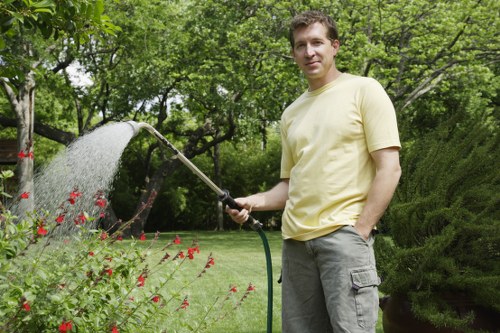
Our gardening services in Hainault cover routine upkeep, one-off tidies and practical outdoor improvements for homes and managed properties. We focus on the work that keeps borders, lawns, hedges and access areas in good order, with clear choices for customers who need regular maintenance or a single visit to get things back under control. If you are comparing options, the simplest place to start is with the part of the garden that needs the most attention.
We can support general garden maintenance, lawn mowing, hedge trimming, garden clearance, tree lopping and removal, decking services, landscape gardening and landscaping. That breadth lets us match the job to the site rather than forcing everything into a single package. For a straightforward next step, take a look at our services overview and use it to decide which tasks matter most before you request a quotation.
The main aim is to keep outdoor spaces usable, tidy and easier to manage across the seasons. Some customers need a light touch to maintain an established garden; others need more extensive work to reduce overgrowth, reshape boundaries or prepare an area for fresh planting or hard landscaping. Either way, the work should be planned around the site, the access available and the finish you want to achieve.
Garden maintenance for regular upkeep
Regular garden maintenance is the foundation of a neat outdoor space. It can include mowing, edging, weeding, cutting back spent growth, clearing leaves and keeping paths or seating areas free from build-up. Some gardens need a simple repeat visit to stop the space slipping behind; others benefit from a more seasonal approach that changes with the pace of growth. We keep the work practical so it supports the appearance of the garden without creating unnecessary disruption.
Garden maintenance is especially useful where planting is already in place and the main objective is to preserve it in a tidy, workable condition. The tasks may be light or more involved depending on the layout, the amount of soft growth and how long the area has been left. Where needed, we can combine hand work and powered equipment to deal with different parts of the garden efficiently and carefully.
When arranging maintenance, it helps to think about what should be included in each visit and what can wait for a later date. A concise list of priorities is often enough. Regular work is usually easier to manage when the same basic routine is followed, especially if the site has lawns, hedges and beds that all need attention at slightly different times of year. That approach keeps the result consistent and makes future planning simpler.
Lawns, hedges and tidy finishes

Lawn mowing and hedge trimming are two of the most visible parts of garden care, and they often make the biggest difference to how a property feels from the first glance. A lawn can be cut to suit the season and the condition of the grass, while hedges can be trimmed to maintain shape, encourage a cleaner line or prevent encroachment onto paths and boundaries. The aim is not just to cut back growth, but to leave a finish that looks deliberate and manageable.
Lawn mowing covers more than a quick pass across the grass. Attention to edges, cut height and the condition of the lawn all affect the result, particularly where turf is uneven or borders meet hard surfaces. If the grass has become long, the work may need to be carried out in stages so that the lawn is cut safely and the finish is still even.
For boundary plants, hedge trimming can be part of ongoing care or a seasonal tidy. Trimming may be used to control width, improve form, reduce shading or restore a more ordered line along fences and drives. A good result depends on the type of hedge, the access available and how much growth has to be removed, so it is worth explaining the shape and finish you want before the work begins.
Clearing away overgrowth and unwanted material
Garden clearance is the right choice when growth, prunings, leaves or general outdoor clutter have built up beyond normal maintenance. It may involve removing brambles, cutting back unruly sections, gathering loose debris and restoring access to parts of the garden that are difficult to use. Where the site contains mixed waste, the work needs to be organised carefully so that material is sorted and the area is left ready for its next use.
Garden clearance is often chosen before a larger project, after a period of neglect or when a property is being prepared for sale, rental or refurbishment. The amount of material can vary widely, so the approach should be based on what is actually there rather than on a standard assumption. If the clearance needs to support later planting or resurfacing, it is usually sensible to mention that at the outset so the clean-up matches the next stage.
In practical terms, clearance work often benefits from a clear sequence: remove bulky items first, deal with growth next and then finish by gathering smaller debris from borders and hardstanding. That makes it easier to see what remains and whether any areas need a second pass. If you are unsure how much work the garden needs, a short description of the site and the main problem areas is usually enough to shape the quotation.
Tree work and access around larger growth
Some gardens need more than mowing and tidying because trees, tall shrubs or heavy overgrowth are affecting access, light or the overall balance of the space. Tree lopping and removal can be part of managing that situation where branches are too large, awkwardly placed or no longer suited to the site. The work has to be planned with the surroundings in mind, especially where boundaries, fences, sheds and nearby planting need to be protected.
Tree lopping and removal is best considered carefully, because the right option depends on the size of the tree, the reason for the work and the condition of the surrounding area. In some cases, reduction is enough to improve shape and clearance; in others, full removal may be the more practical answer if the tree is unsuitable or causing ongoing difficulty. The main point is to match the method to the site and avoid unnecessary disturbance.
Where tree-related work is part of a broader garden tidy, it can be combined with clearance so that cut material does not sit in the way of the remaining tasks. This is especially useful when access is tight or the garden contains several different jobs that need finishing in the same visit. Good sequencing matters because it keeps the work safe, efficient and easier to complete to a neat standard.
Decking, surfaces and outdoor structure
Decking services are useful where a garden needs a defined standing or seating area rather than only planting and lawn. Decking can help create a level transition between parts of a space, provide a usable surface near a house or outbuilding, and support a cleaner layout where the ground is uneven. The work is typically about fitting the structure to the garden so that it looks intentional and works with the existing features.
Decking services can involve replacement, repairs or new installation depending on the condition of the surface and the outcome you want. The details matter: size, position, level changes, nearby drainage and how the deck will be used all influence the design and the work involved. A well-considered plan helps avoid awkward steps, cramped edges or finishes that do not suit the rest of the garden.
Before any deck is installed or refreshed, it is sensible to think about how it connects with the rest of the outdoor layout. Access routes, planting beds and nearby walls or fences all play a part in the final arrangement. If you want the area to feel less purely ornamental and more usable, decking can be one of the clearest ways to define that change without altering the whole garden at once.
Landscape gardening and larger changes
Landscape gardening is suited to gardens that need a broader reshaping rather than isolated maintenance tasks. It may involve opening up space, redesigning planting areas, changing the balance between soft and hard landscaping or improving the way different parts of the garden connect. This kind of work is often chosen when a site feels fragmented, tired or awkward to use and needs a more coherent plan.
Landscape gardening is different from a quick tidy because it is about developing the garden’s layout as well as its appearance. Depending on the brief, it may include levelling, planting structure, paths, borders and other features that help the garden function better day to day. The most useful projects are usually those where the layout is considered alongside the style of planting and the practical use of the space.
For larger schemes, a clear brief helps everyone understand what should stay, what should change and what the final finish should feel like. A plan need not be complicated, but it should cover the main priorities. If you are weighing up a partial update against a more complete redesign, it is usually better to identify the fixed points first and build the rest around them.
About Hainault
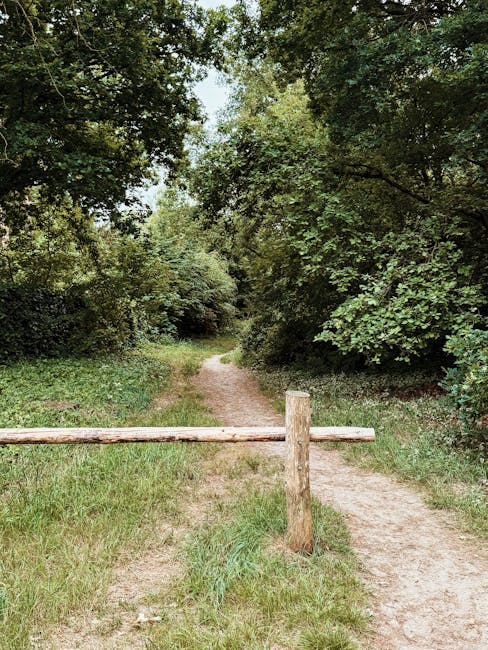
Hainault is an area in northeast London closely associated with the London Borough of Redbridge, though the name is also used more broadly for surrounding parts of the urban edge where housing, open land and transport links meet. Its character is shaped in part by Hainault Forest, a historic wooded landscape that once formed part of the great forest belt east of London. Today, the forest survives as a major green space with paths, trees and open ground that give the area a strong natural identity alongside its residential streets. The present-day built environment includes post-war and later housing estates, local roads, community facilities and stretches of open space that make the district feel less dense than inner London. Nearby transport is a notable part of Hainault’s identity: the Central line terminates at Hainault station in the area, linking it directly with the wider Underground network. That connection has long influenced how the district is understood, while the surrounding landscape still provides a sense of edge and openness. The mixture of woodland, housing and local infrastructure gives Hainault a distinct suburban character within Greater London.
Hard landscaping and structural changes
Landscaping covers the more structural side of garden improvement, from shaping levels and defining edges to creating a stronger overall layout. It is often the right choice when a garden needs to be more usable, easier to maintain or better arranged around features such as lawns, seating areas and planting beds. The result should feel deliberate rather than improvised, with each part contributing to the whole.
Compared with routine maintenance, landscaping usually involves a more detailed look at materials, dimensions and movement around the garden. A narrow side return, a sloping patch or a space that has never had a clear function may all call for structural changes before any planting or decorative finish can work properly. This is where practical experience in layout, spacing and surface transitions becomes especially useful.
If you are considering changes of this kind, it helps to think in terms of how the garden should be used, not only how it should look from one viewpoint. That may mean improving a route across the site, setting out a better border shape or creating a more balanced relationship between open ground and built features. A sensible proposal will always respect the site’s limits and the outcome you actually want.
Quotations, scope and practical arrangements

When you ask for a quotation, the most useful information is a short description of the tasks you want completed and the main features of the site. Photos can help where the garden is awkward, overgrown or split into several parts, but they are only part of the picture. It also helps to say whether the work is a one-off visit or something you want to repeat, because the amount of detail needed for a fair quotation can change with the scope of the job.
Pricing and quotes is the best place to look if you want to understand how the quotation process is approached. Costs are normally shaped by the size of the area, the type of work involved, access, waste handling and the amount of time needed to finish the job properly. If you are comparing different options, focus on what is included so you can judge the value of the work rather than just the headline figure.
- Describe the main areas that need attention, such as lawn, hedge, clearance or structural work.
- Mention any access limits, steep sections or tight side passages that could affect the job.
- Say whether the priority is a tidy finish, a full clear-out or preparation for a later project.
Safety, materials and responsible working
Outdoor work often produces green waste, timber, soil, cut branches and other material that needs handling carefully once it has been removed from the garden. Responsible disposal and recycling matter because they help keep the site organised and reduce avoidable mess. Where work creates mixed material, sorting can make the process tidier and more efficient, especially if different parts of the job are completed in the same visit.
Recycling and sustainability is relevant when you want the cleared material or removed offcuts dealt with in a more considered way. The exact options depend on the type of waste and how it has been generated, but the principle is straightforward: good garden work should leave the outdoor space cleaner without creating extra problems elsewhere. That can be particularly important after clearance, tree work or major reshaping.
It is also sensible to think about safety around tools, structures and uneven surfaces. Areas close to fences, paving, sheds and walls may require a more careful approach than open lawn or easy-access borders. If a section of the garden has become difficult to move through, or if there are fragile features nearby, mention that early so the work can be planned around the conditions on site.
Request a quotation for your garden
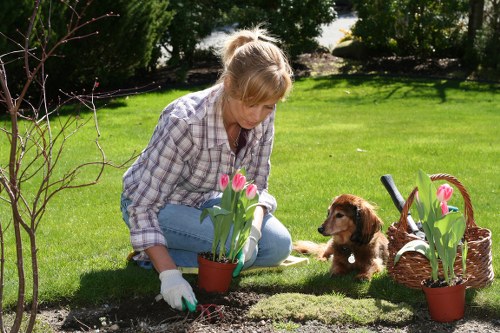
If you need help with maintenance, mowing, hedges, clearance, trees, decking or a wider redesign, we can put together a quotation based on the work that matters most. The quickest route is to outline the main tasks, mention any access issues and say whether you want a single visit or an ongoing arrangement. That gives a clearer basis for planning and helps the proposal match the garden rather than relying on guesswork.
For more detail on our background and approach, you can read our about us page, or use the contact route when you are ready to go ahead. If you prefer to review the service structure first, the services overview remains a useful starting point. When you are ready, request a quotation and tell us what your garden needs.
Whether the job is a straightforward tidy or a more considered improvement, the best results come from a clear brief and a practical plan. Tell us what you want the garden to do, what is already there and what needs to change, and we can shape the work accordingly. If you are comparing options today, now is a good time to make that enquiry.